
✓ 24/7 automatic processing of online orders
✓ Knowledgeable and professional Product & Technical Support
✓ Fast and reliable (re)-ordering
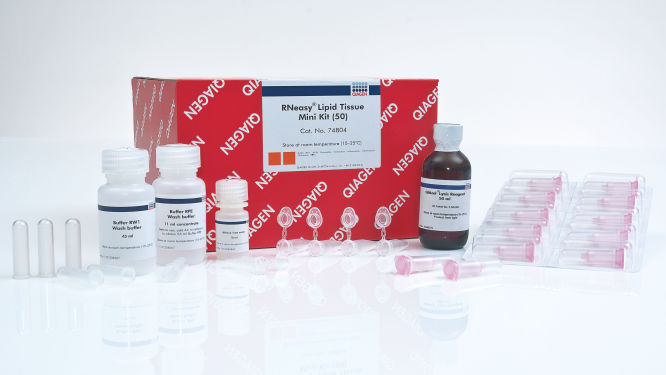
RNeasy Lipid Tissue Mini Kit (50)
Cat no. / ID. 74804
50 RNeasy Mini Spin Columns, Collection Tubes (1.5 ml and 2 ml), QIAzol Lysis Reagent, RNase-free Reagents and Buffers
Log in To see your account pricing.
The RNeasy Lipid Tissue Mini Kit is intended for molecular biology applications. This product is not intended for the diagnosis, prevention, or treatment of a disease.
✓ 24/7 automatic processing of online orders
✓ Knowledgeable and professional Product & Technical Support
✓ Fast and reliable (re)-ordering
Features
- Optimized lysis conditions for fatty tissues and other tissues
- High yields of total RNA without phenol contamination
- High-quality RNA for all downstream applications
Product Details
The RNeasy Lipid Tissue Mini Kit includes QIAzol Lysis Reagent for lysing fatty tissues and other types of tissue, and RNeasy spin columns for purifying up to 100 µg of high-quality RNA. The kit can be automated using the QIAcube Connect. Tissue samples can be conveniently stabilized using RNAprotect Tissue Reagent (nonfatty tissues only) or Allprotect Tissue Reagent, and efficiently disrupted using a TissueRuptor or TissueLyser system.
Performance
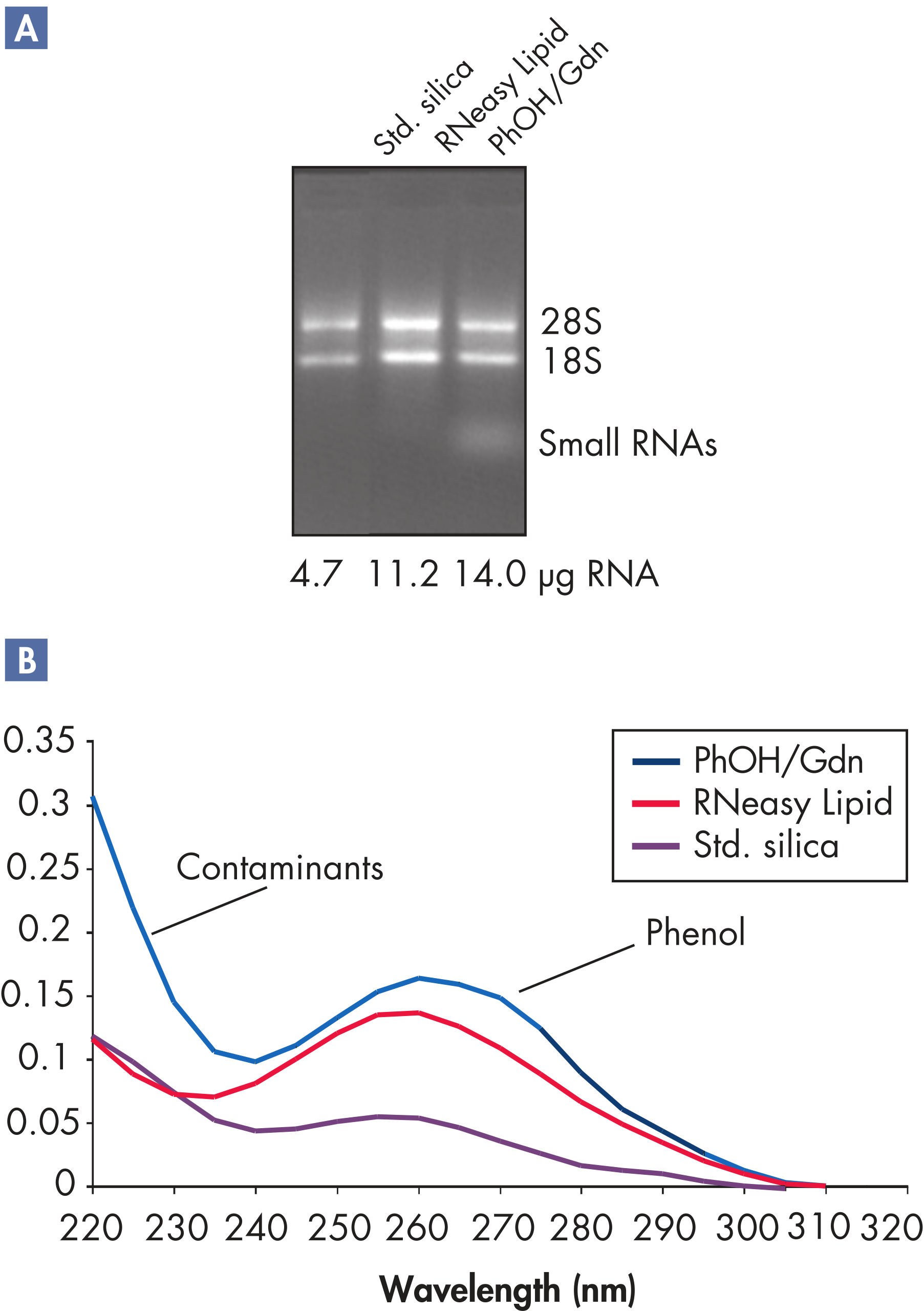
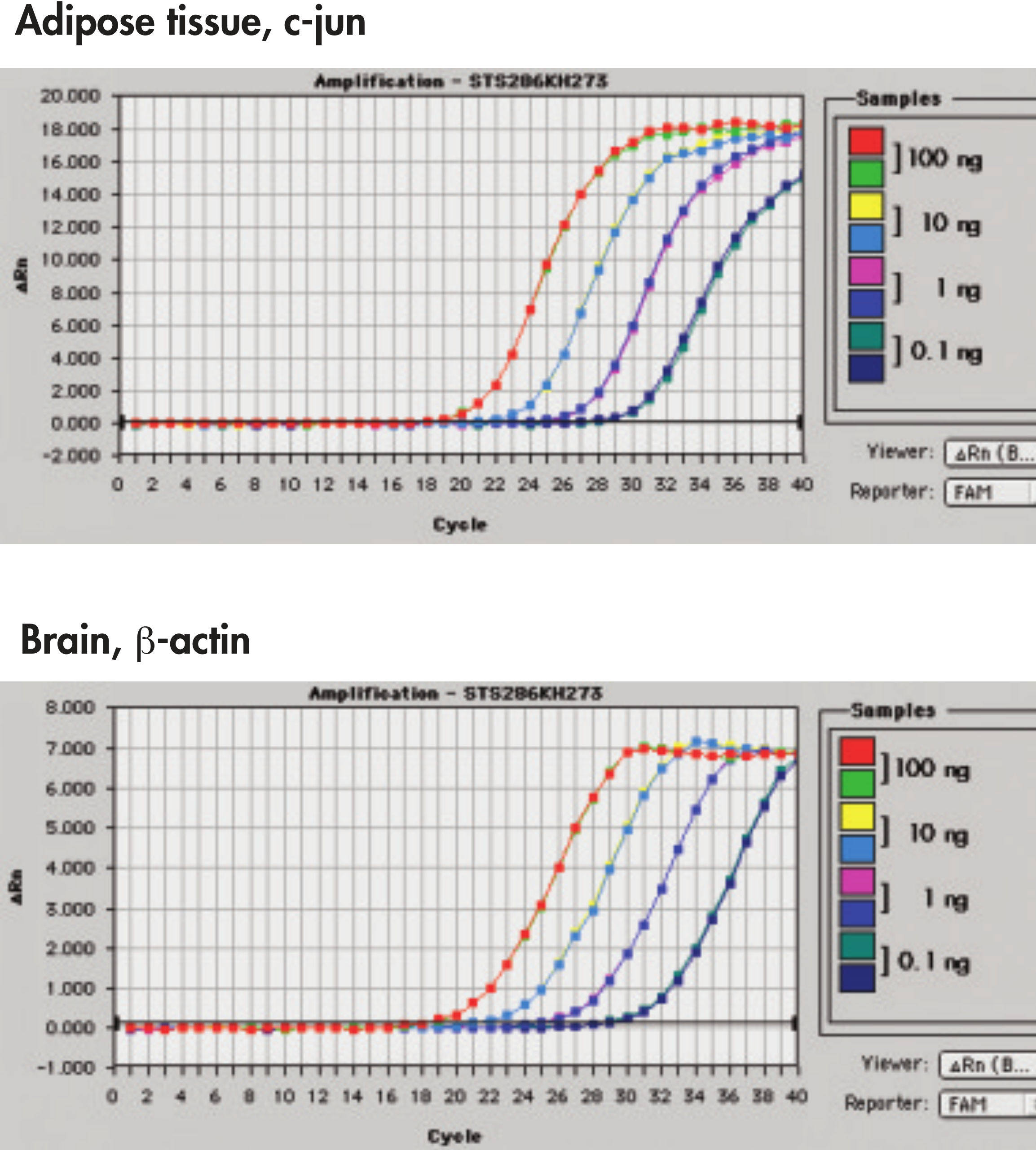
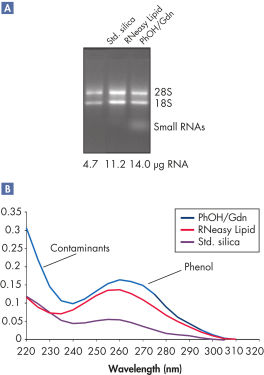
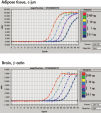
The RNeasy Lipid Tissue protocol integrates QIAzol lysis with RNeasy RNA isolation for high yields of total RNA from fatty tissues with an average yield of RNA from 10 mg of brain of 10 µg, and 2.4 µg of RNA from a 10 mg sample of adipose tissue. RNeasy Lipid Tissue Kit provide efficient isolation of high-quality total RNA without phenol carryover (see figure " High yields of RNA without phenol carryover"). The RNA from fatty tissues is suitable for downstream applications including real-time RT-PCR (see figure " Real-time analysis of high-quality RNA").
Principle
RNeasy Lipid Tissue Kit is optimized for use with fatty tissues, such as brain and adipose tissue. The convenient RNeasy Lipid Tissue protocol integrates optimized phenol/guanidine-based lysis with proven RNeasy purification for isolation of high yields of high-quality total RNA. The combination of organic extraction and chaotropic disruption contributes to the high lysis efficiency of QIAzol Lysis Reagent. Since the RNeasy procedures enrich for mRNA and other RNA species >200 nucleotides, the total RNA yield does not include 5S rRNA, tRNA, and other low-molecular-weight RNAs, which make up 15-20% of total cellular RNA.
Procedure
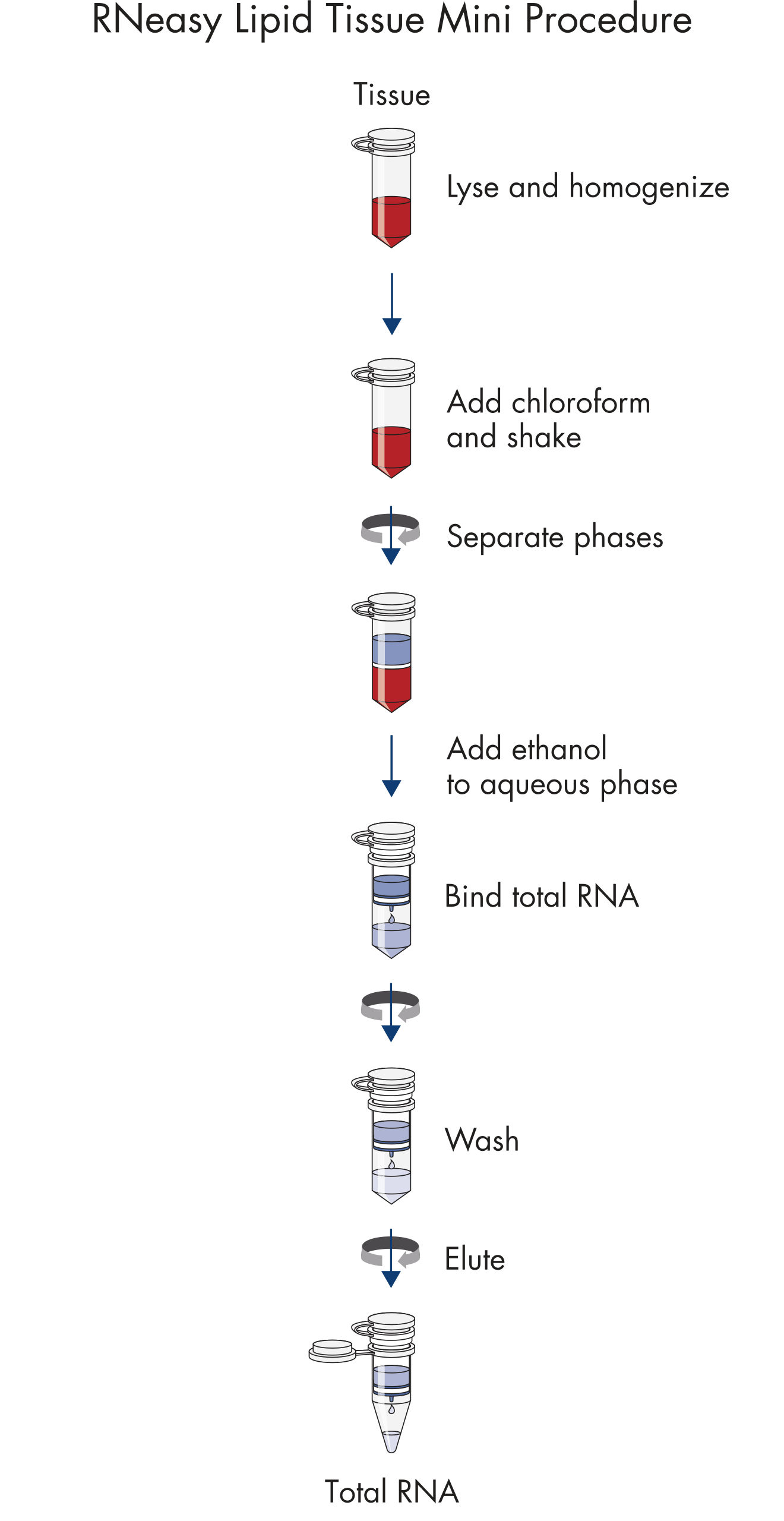
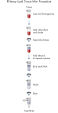
Tissue samples 10–100 mg are homogenized in QIAzol Lysis Reagent. After addition of chloroform, the homogenate is separated into aqueous and organic phases by centrifugation. The upper, aqueous phase is extracted, and ethanol is added to provide appropriate binding conditions. The sample is then applied to the RNeasy spin column, where the total RNA (up to 100 µg) binds to the membrane and phenol and other contaminants are efficiently washed away. High-quality RNA is then eluted in 30–100 µl of RNase-free water water (see figure " RNeasy Lipid Tissue Mini procedure").
Applications
RNeasy Lipid Tissue Kit provides easy and efficient isolation of high-quality RNA for all downstream applications, including NGS and real-time RT-PCR.
Supporting data and figures
High yields of RNA without phenol carryover.
RNA was isolated from 10 mg rat brain tissue using the RNeasy Lipid Tissue Mini Kit (RNeasy Lipid), a standard silica-gel-membrane procedure (Std. silica), or a phenol/guanidine-based reagent (PhOH/Gdn), following supplier's instruction. [A] Formaldehyde agarose gel analysis shows high yields of RNA using the RNeasy Lipid Tissue Mini Kit. Using the RNeasy and other silica-based methods, small RNAs (such as 5.8S rRNA, 5S rRNA, and tRNAs) are selectively excluded. [B] Absorbance spectrum shows contaminants and phenol when using the phenol/guanidine-based reagent.
Specifications
| Features | Specifications |
|---|---|
| Sample amount | 10–100 mg |
| Yield | 2.4–10 mg |
| Technology | Silica technology |
| Processing | Manual |
| Purification of total RNA, miRNA, poly A+ mRNA, DNA or protein | RNA |
| Elution volume | 30–100 µl |
| Main sample type | Fatty tissue samples |
| Time per run or per prep | 45 minutes |
| Format | Spin column |
Resources
Kit Handbooks & Protocols (4)
Specialized Protocols (4)
Safety Data Sheets (1)
Certificates of Analysis (1)
Publications
Lipopolysaccharide activates an innate immune system response in human adipose tissue in obesity and type 2 diabetes.
Am J Physiol Endocrinol Metab; 2006; 292 (3):E740-7 2006 Nov 7 PMID:17090751
Chronic ethanol feeding to rats decreases adiponectin secretion by subcutaneous adipocytes.
Am J Physiol Endocrinol Metab; 2006; 292 (2):E621-8 2006 Oct 17 PMID:17047161
Targeting an E2F site in the mouse genome prevents promoter silencing in quiescent and post-mitotic cells.
Oncogene; 2006; 26 (19):2727-35 2006 Oct 30 PMID:17072340
Paternally biased X inactivation in mouse neonatal brain.
Genome Biol; 2010; 11 (7):R79 2010 Jul 27 PMID:20663224
A study of alternative splicing in the pig.
BMC Res Notes; 2010; 3:123 2010 May 5 PMID:20444244
FAQ
How should RNeasy Kits be stored and how long are they stable?
How do you ensure that RNeasy buffers are RNase-free?
What is the difference between disruption and homogenization in the RNeasy System?
Are RNeasy spin columns sold separately?
What is the maximum binding capacity of RNeasy spin columns?