
My QIAGEN
The place to manage all of your QIAGEN purchases, quotes, instruments, kits, subscriptions and service requests.
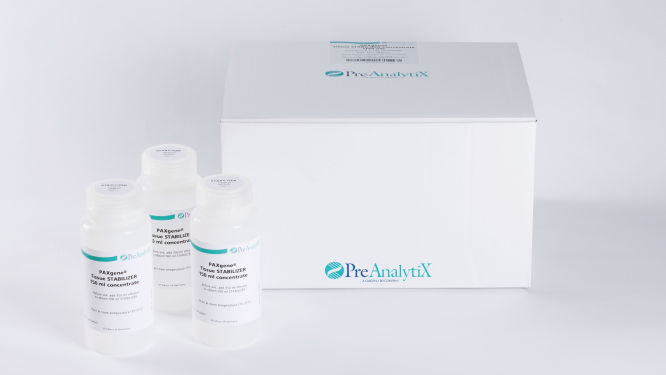
PAXgene Tissue STABILIZER Concentrate (150 mL)
Cat no. / ID. 765512
8 bottles of 150 mL PAXgene Tissue Stabilizer Concentrate. Makes 4 liters of PAXgene Tissue STABILIZER Reagent for use with tissue specimens previously fixed in PAXgene Tissue FIX Containers.
Log in To see your account pricing.
For Research Use Only. Not for use in diagnostics procedures. No claim or representation is intended to provide information for the diagnosis, prevention, or treatment of a disease.
My QIAGEN
The place to manage all of your QIAGEN purchases, quotes, instruments, kits, subscriptions and service requests.
Features
- Preservation of both morphology and biomolecules
- Tissue can be stored and archived for later processing
- RNA, miRNA, DNA, and/or proteins from one sample
- Can be used to fill a tissue processor at position one
Product Details
PAXgene Tissue STABILIZER is used for transport or storage of tissue specimens fixed with the PAXgene Tissue FIX Container (50 mL). After fixation of tissue samples with the PAXgene Tissue FIX Container (50 mL), PAXgene Tissue FIX is removed and replaced by PAXgene Tissue STABILIZER within the same container. Nucleic acids, proteins and morphology of the sample are now stable up to 7 days at room temperature, or for longer periods at 2–8°C, or even at –20°C and –80°C. Stabilized samples can be embedded in paraffin for histological studies. PAXgene Tissue Kits and supplementary protocols provide efficient subsequent purification of RNA, miRNA, DNA, and/or proteins from the same sample.
PAXgene Tissue STABILIZER Concentrate is only to be used in conjunction with tissue specimens previously fixed in PAXgene Tissue FIX.
Performance
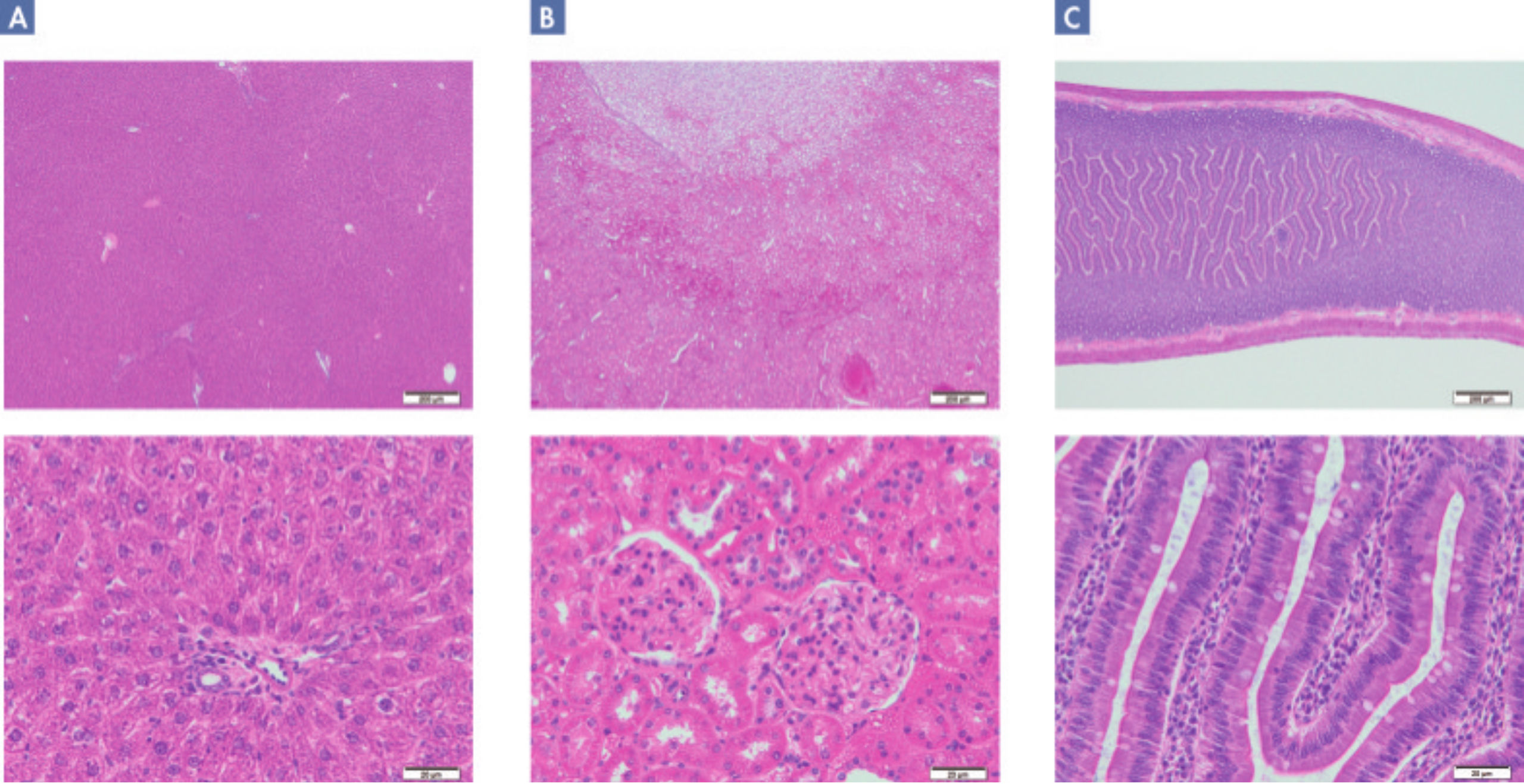
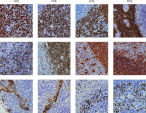
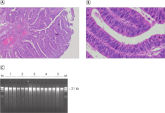
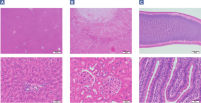
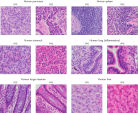
The fixation and stabilization method preserves tissue morphology and the integrity of nucleic acids without destructive crosslinking and degradation found in formalin-fixed tissues (see figure " Preservation of tissue morphology").
When fixed tissue is stored in PAXgene Tissue STABILIZER, the nucleic acids, proteins, and morphology of the tissue sample are stable for up to 7 days at room temperature (15–25°C) or for up to 4 weeks at 2–8°C. Tissue samples can even be stored in the PAXgene Tissue STABILIZER for longer periods at –20°C (–15°C to –30°C) or –80°C (–65°C to –90°C) without negative effects on the morphology of the tissue or the integrity of the nucleic acids.
Specifications for storage conditions in PAXgene Tissue STABILIZER were determined using animal tissues.
Principle
The methods for tissue fixation currently used in traditional histology are of limited use for molecular analysis. Fixatives that contain formaldehyde crosslink biomolecules and modify nucleic acids and proteins. Such crosslinks lead to nucleic acid degradation during tissue fixation, storage, and processing. Since they cannot be removed completely, the resulting chemical modifications can cause inhibition in downstream applications, such as quantitative PCR or RT-PCR. To enable both molecular and traditional pathology testing from the same specimen, a method is needed to stabilize molecular content and preserve morphology.
To meet this need, PreAnalytiX has developed the PAXgene Tissue System. The system consists of a fixation reagent (PAXgene Tissue FIX), a stabilization reagent (PAXgene Tissue STABILIZER), prefilled containers for tissue collection, storage, and transportation, and kits for purification of RNA, DNA, or total RNA, including miRNA. In addition, supplementary protocols for protein purification and other applications are available in the 'Resources' section of this page or at www.preanalytix.com.
PAXgene Tissue reagents in prefilled containers and PAXgene Tissue Kits provide a complete preanalytical solution for collection, fixation, and stabilization of tissue, and purification of high-quality nucleic acids for molecular research analysis.
Procedure
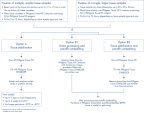
After fixation of tissue samples with the PAXgene Tissue FIX Container (50 mL), the fixative in the container is removed and replaced by PAXgene Tissue STABILIZER within the same container. Stabilized samples can be embedded in paraffin for histological studies. Nucleic acids and proteins can be isolated from the stabilized samples before or after embedding in paraffin. See the PAXgene Tissue Kit Handbooks for information about DNA, RNA, or miRNA, and the PAXgene Tissue supplementary protocols in the 'Resources' section of this page or at www.preanalytix.com for protein purification and other applications.
Applications
Sections of PAXgene Tissue fixed, paraffin-embedded (PFPE) tissue can be used for histological studies or extraction of nucleic acids or proteins. Purification of RNA, total RNA, including miRNA, or DNA from PAXgene Tissue fixed and stabilized tissue samples requires the use of one of the PAXgene Tissue Kits for RNA, miRNA, or DNA. Purification of protein requires the Qproteome FFPE Kit.
Supporting data and figures
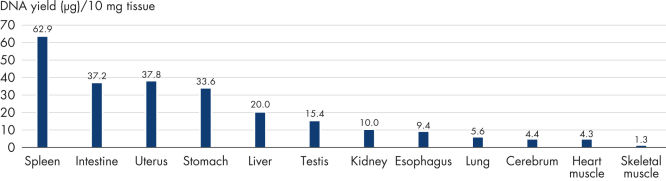
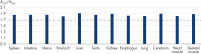
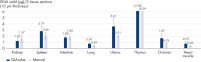
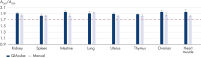
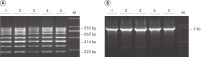
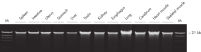
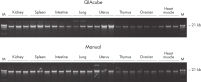
Yield of high-quality, high molecular weight DNA from 12 different PAXgene Tissue-fixed (PF) tissue types, processed on the QIAcube.
Twelve different PAXgene Tissue-fixed (PF) rat tissue types, including fibrous or fatty, DNA-rich and DNA-poor tissues, processed with the PAXgene Tissue DNA Kit on the QIAcube in one single run. DNA yield per 10 mg tissue.
Resources
Brochures and Guides (5)
Kit Handbooks (2)
Protocols (15)
Scientific Posters (14)
Technical Information (9)
Safety Data Sheets (1)
Certificates of Analysis (1)
Publications
Evaluation of colon cancer histomorphology: a comparison between formalin and PAXgene tissue fixation by an international ring trial.
Virchows Arch; 2014; 465 (5):509-19 2014 Aug 2 PMID:25085759
Inactivation of Influenza A virus, Adenovirus, and Cytomegalovirus with PAXgene tissue fixative and formalin.
Biopreserv Biobank; 2013; 11 (4):229-34 2013 Aug PMID:24845590
Preservation of nucleic acids and tissue morphology in paraffin-embedded clinical samples: comparison of five molecular fixatives.
J Clin Pathol; 2013; 66 (9):807-10 2013 Jun 8 PMID:23750036
The Genotype-Tissue Expression (GTEx) project.
Nat Genet; 2013; 45 (6):580-5 2013 Jun PMID:23715323
The PAXgene(®) tissue system preserves phosphoproteins in human tissue specimens and enables comprehensive protein biomarker research.
PLoS One; 2013; 8 (3):e60638 2013 Mar 29 PMID:23555997